



Kyoto Group Tours
Kyoto
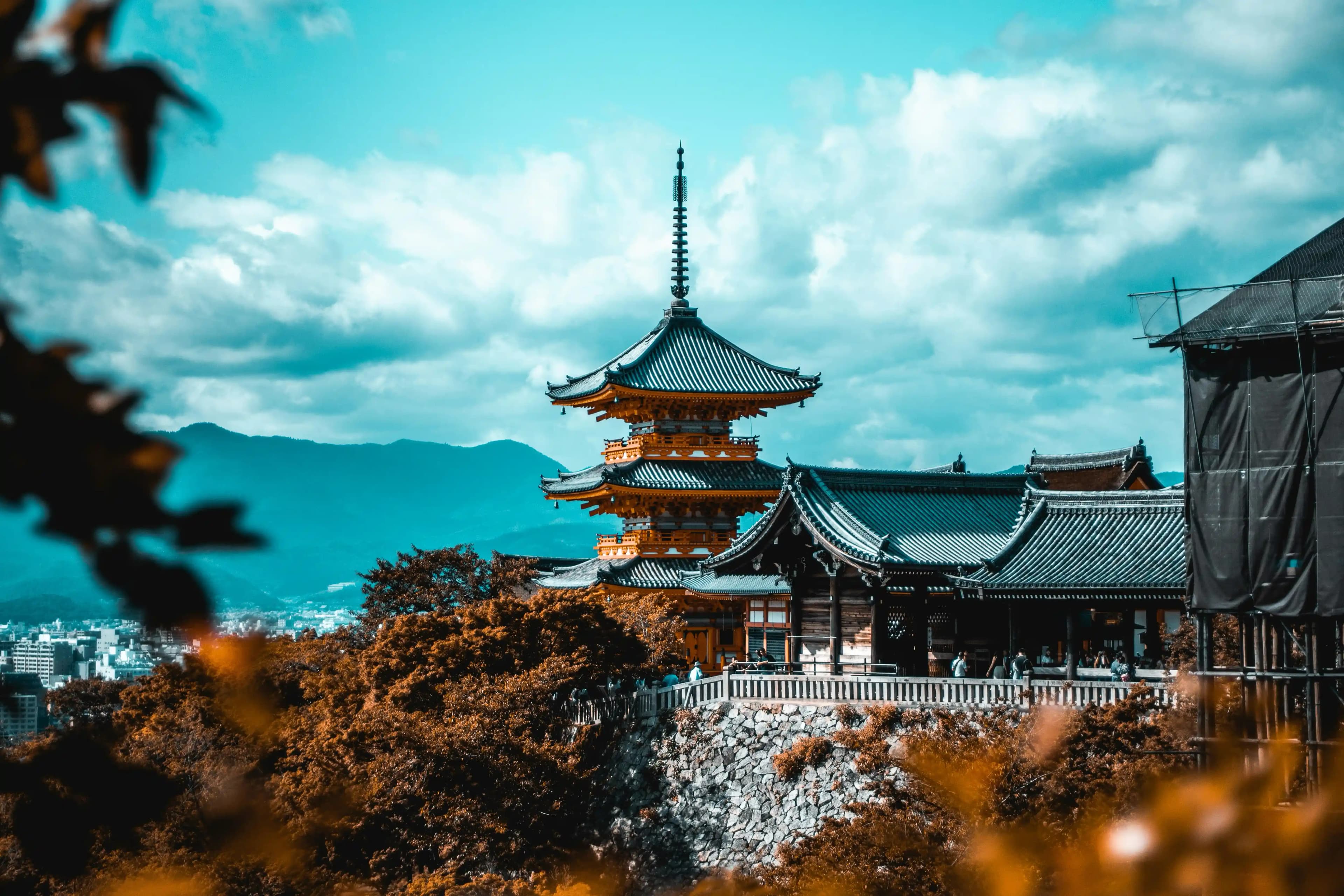
Kiyomizu-dera
Kyoto
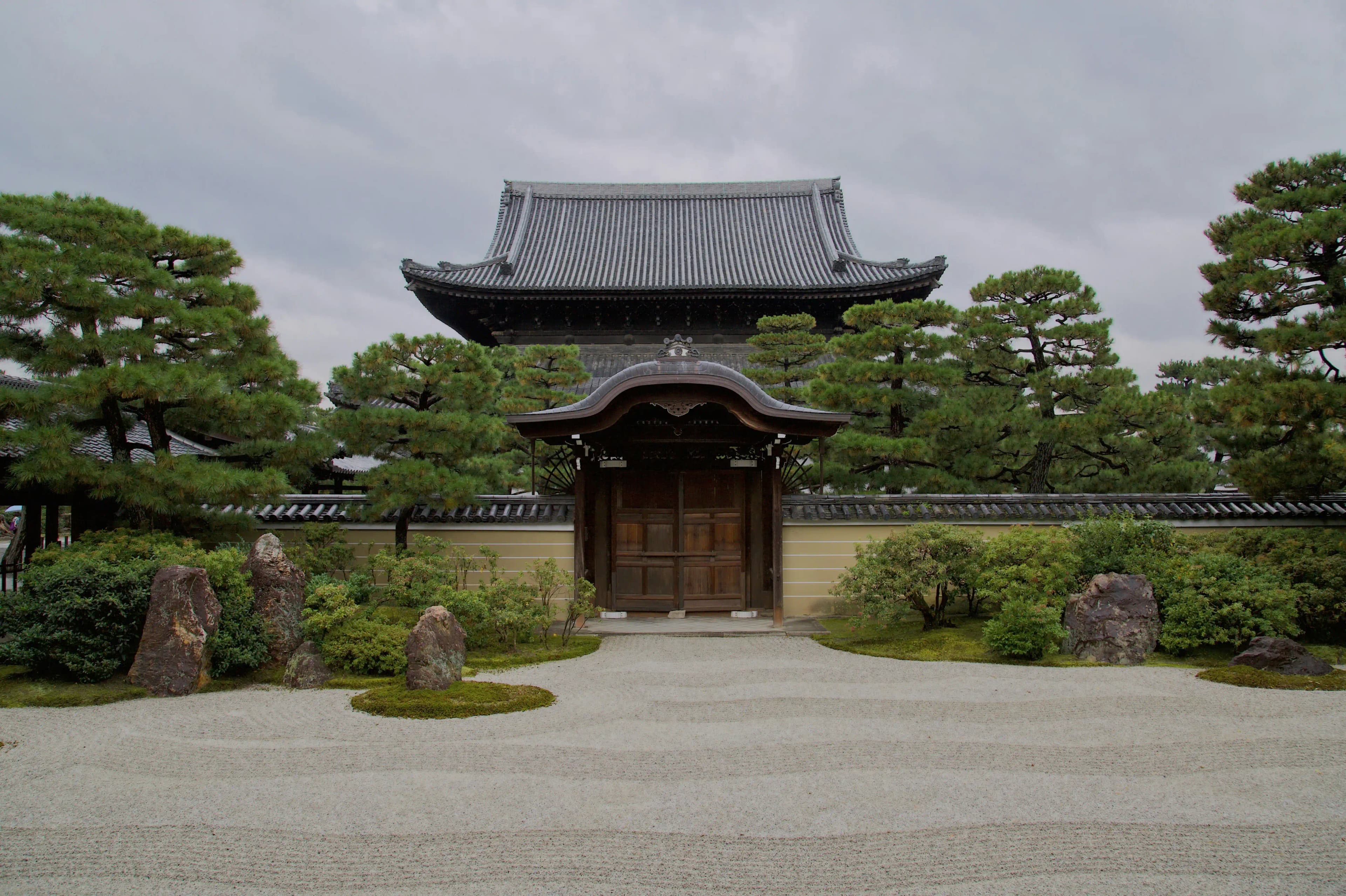
Kenninji Temple
Travel Guide
Kyoto Tips & Facts

Region
Kansai

Population
about 1.4 million

Dialects
Kyō-kotoba or Kyōto-ben

Climate
Humid tropical

Prefecture
Kyoto
Kyoto Travel Info
Kyoto has been at the heart of Japan’s history for over 1,200 years. Established as the imperial capital in 794, it remained the nation’s political and cultural center until Tokyo took over in 1868. Despite modernization, Kyoto still preserves its ancient soul.
Walk through the city, and you’ll find centuries-old temples, Zen gardens, and traditional machiya townhouses standing alongside modern cafés and boutiques. Kyoto is the birthplace of tea ceremonies, Ikebana (flower arranging), and Noh theater. It’s also home to 17 UNESCO World Heritage Sites, including Kinkaku-ji (Golden Pavilion) and Ryoan-ji’s famous rock garden.
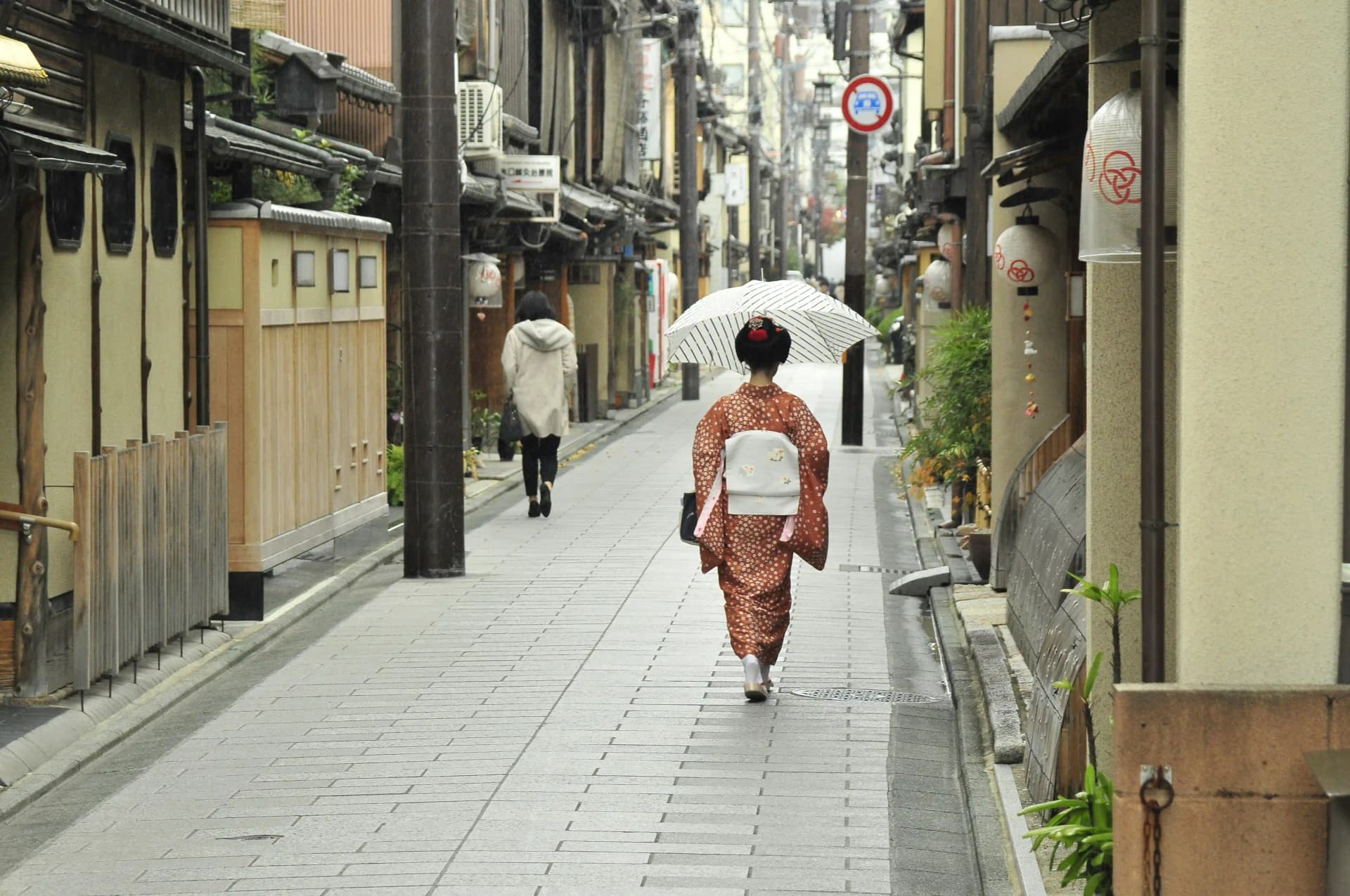
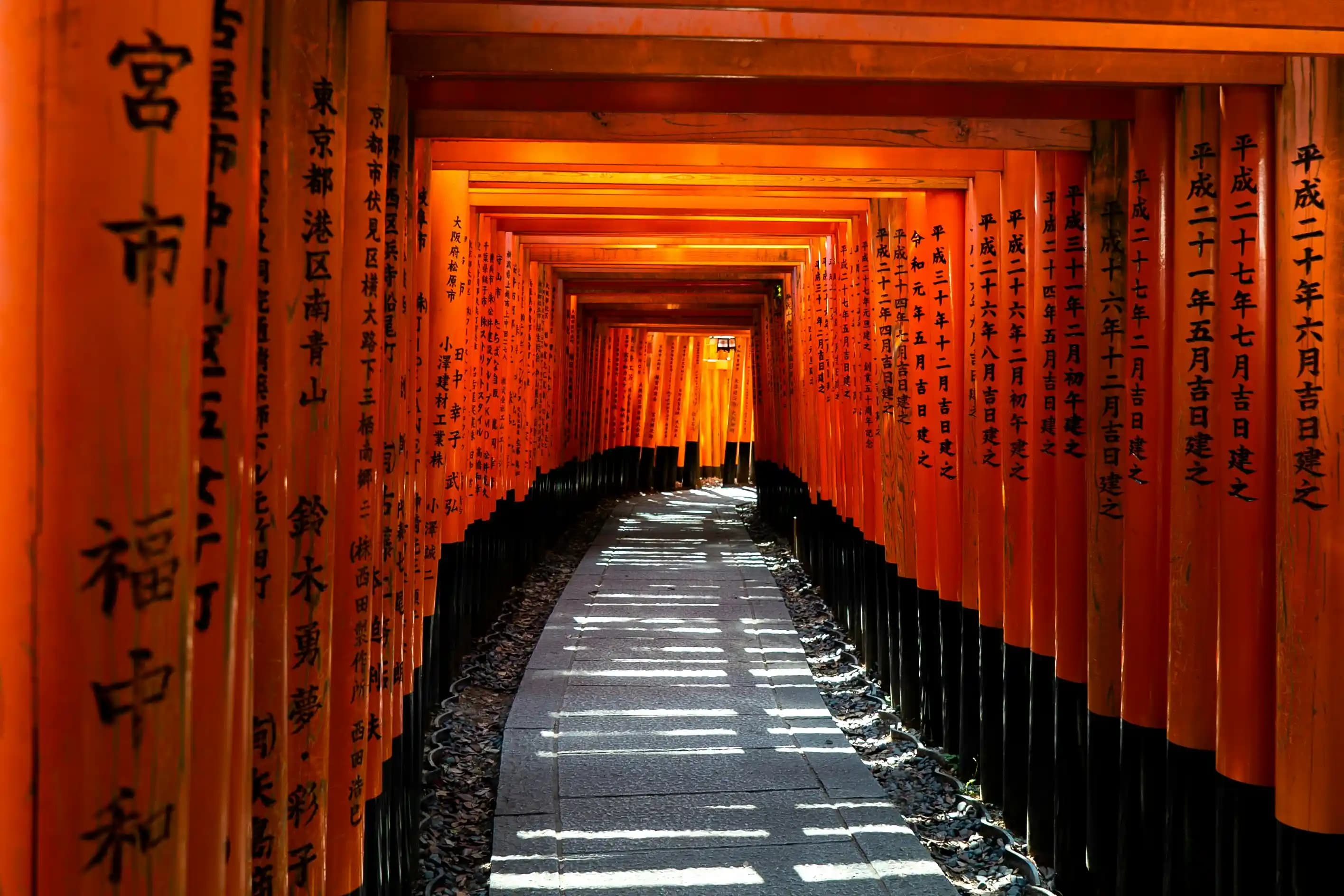
Shinto shrines like Fushimi Inari-taisha and its iconic torii gates symbolize Japan’s deep spiritual roots. Meanwhile, the geisha culture thrives in the Gion district, where Kyoto’s rich past comes alive through dance, music, and tea house rituals. If you want to experience authentic Japanese heritage, there’s no better place than Kyoto.
Best Places to Visit in Kyoto
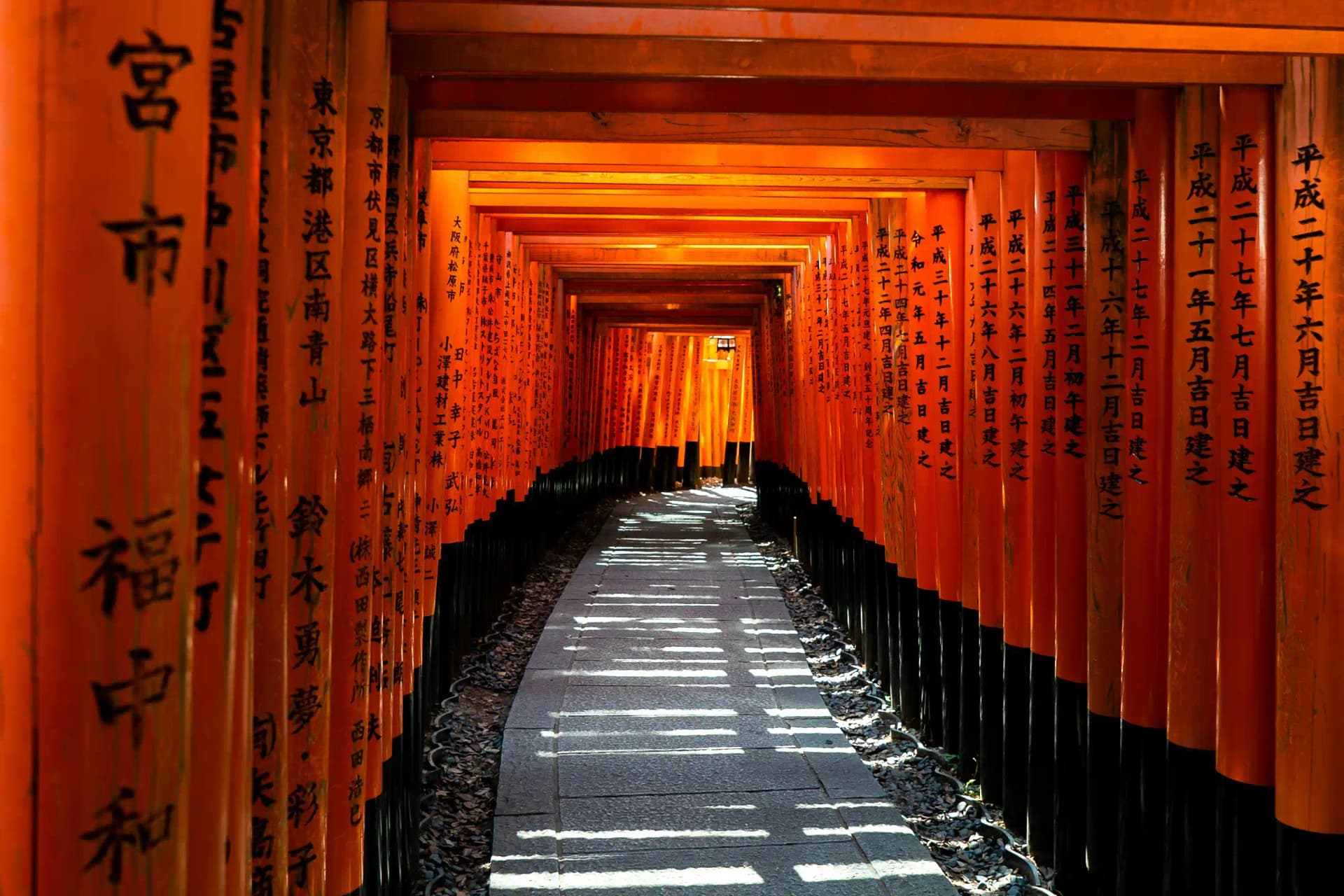
Fushimi Inari Shrine
Fushimi Inari Taisha is one of Japan’s most famous Shinto shrines, dedicated to Inari, the god of rice, prosperity, and business success. Its breathtaking pathway of thousands of vermillion torii gates stretches up Mount Inari, creating a mystical tunnel-like effect. Walking through the gates takes about 2-3 hours round-trip, with smaller shrines and scenic viewpoints along the way. Visit early in the morning or late in the afternoon for fewer crowds and a more tranquil experience.
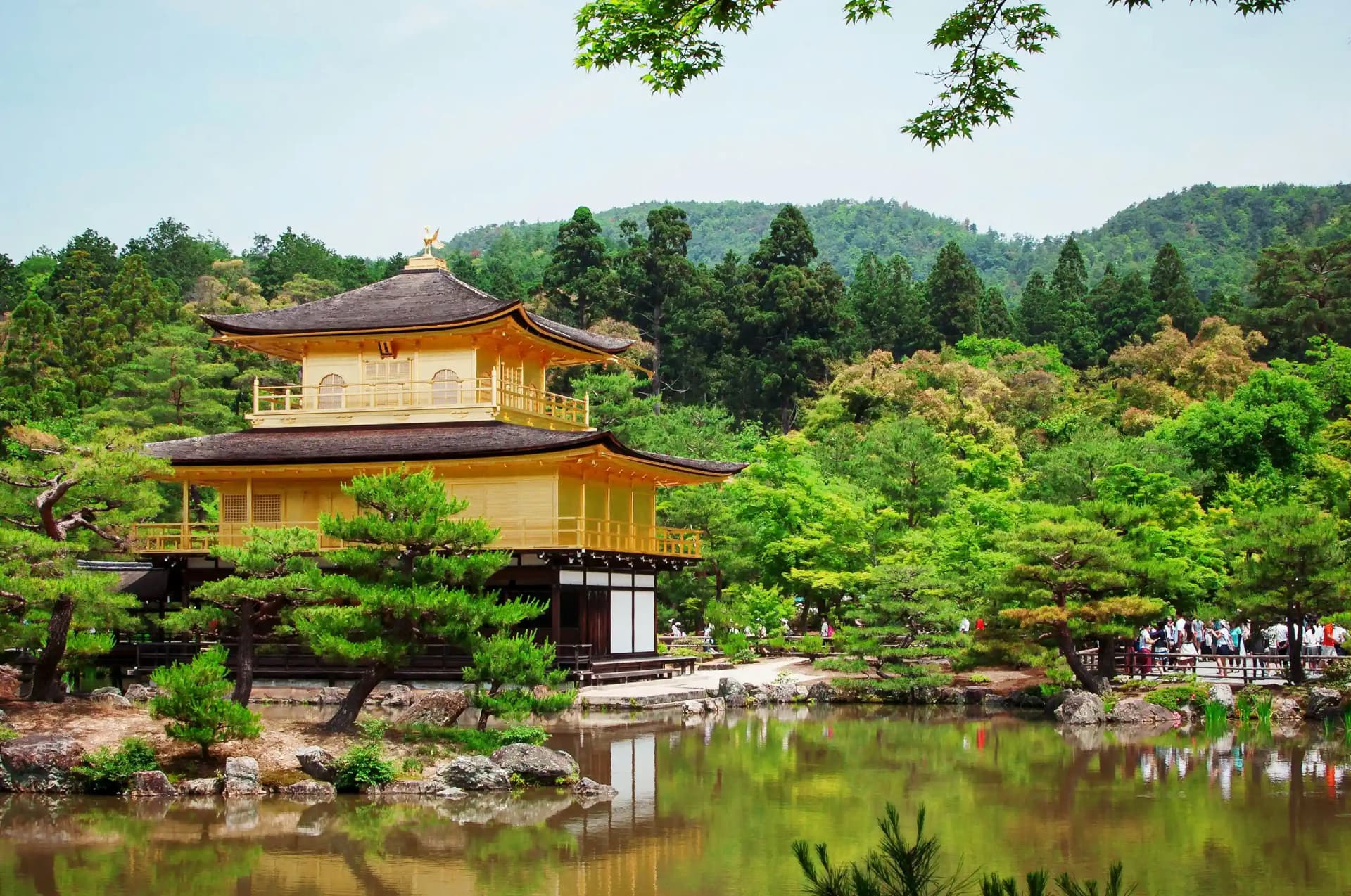
Kinkaku-ji
Kinkaku-ji, or the Golden Pavilion, is a Zen temple covered in brilliant gold leaf, making it one of Kyoto’s most visually striking landmarks. Originally built as a retirement villa for the shogun Ashikaga Yoshimitsu, it later became a temple after his death. The temple sits on a beautiful pond, reflecting the golden structure against the water. In winter, when dusted with snow, Kinkaku-ji looks straight out of a painting. Although visitors can’t enter the temple, the surrounding gardens offer a peaceful stroll through Kyoto’s elegant landscaping.