



Ibaraki Group Tours
Ibaraki
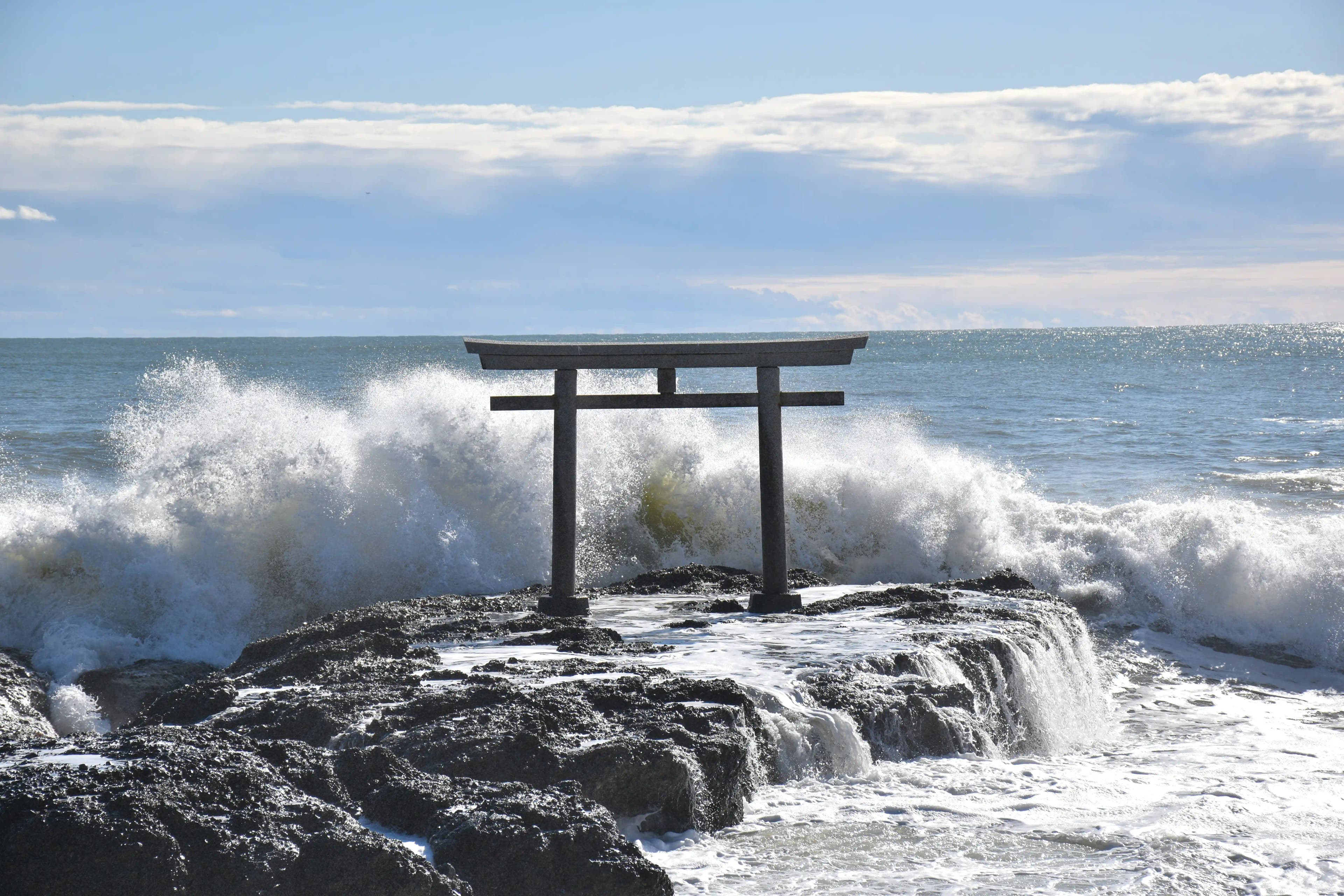
Oarai Isosaki Shrine
Ibaraki
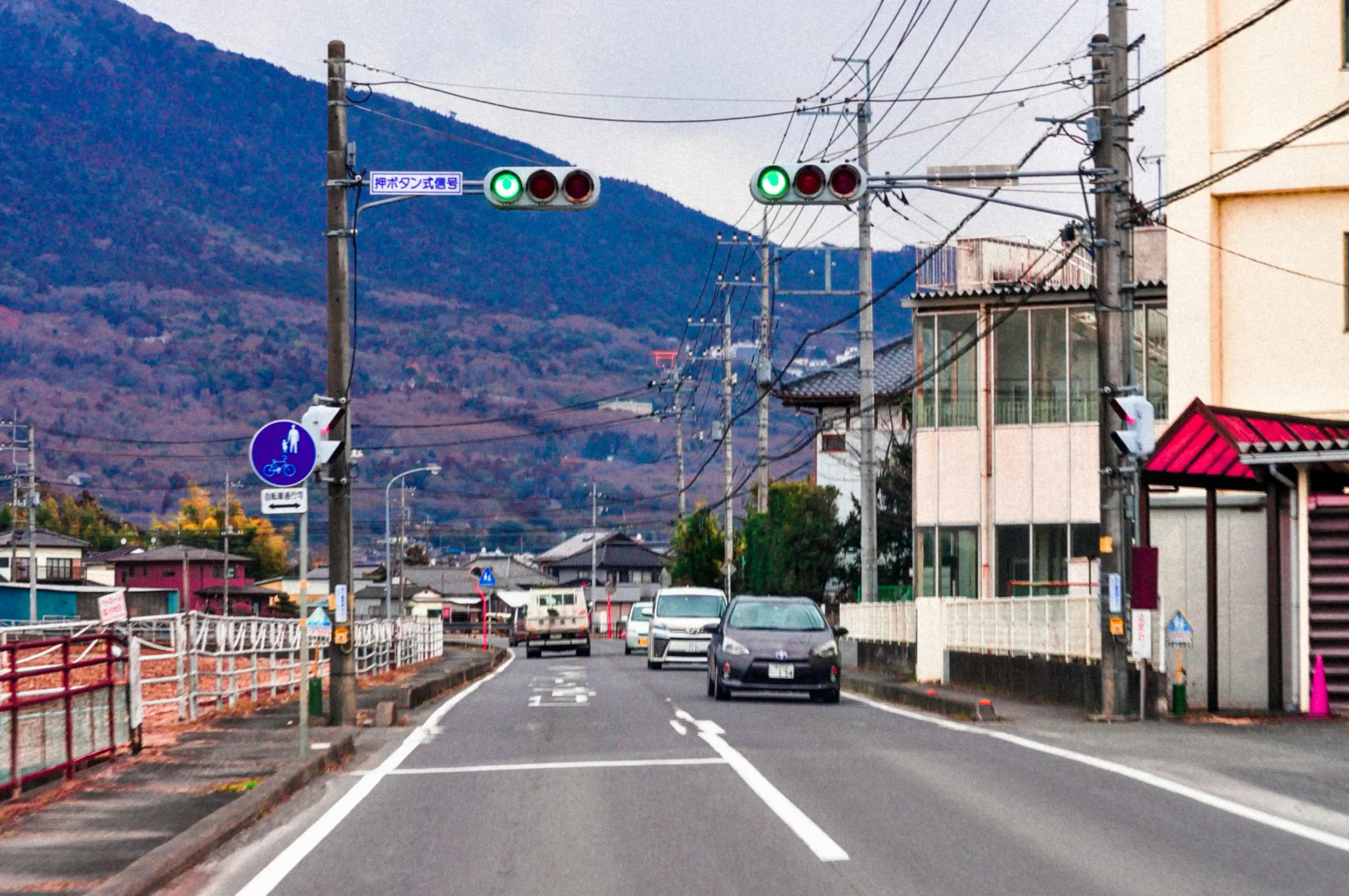
Mount Tsukuba
Travel Guide
Ibaraki Tips & Facts

Region
Kanto

Population
about 2.8 million

Dialects
Ibaraki-ben

Climate
Humid subtropical

Prefecture
Ibaraki
Ibaraki Travel Info
Ibaraki's history is deeply rooted in Japan's ancient traditions and has played a significant role in the country's development. The prefecture flourished during the Edo period, with Mito, the capital of Ibaraki, serving as a prominent center of political and cultural influence.
Ibaraki also boasts a rich agricultural heritage, known as the "breadbasket" of Japan, with fertile lands supporting farming for centuries. This rich historical and cultural background is reflected in the numerous shrines, temples, and traditional festivals that adorn the region, making it a must-visit destination for history enthusiasts and cultural aficionados.
Best Places to Visit in Ibaraki
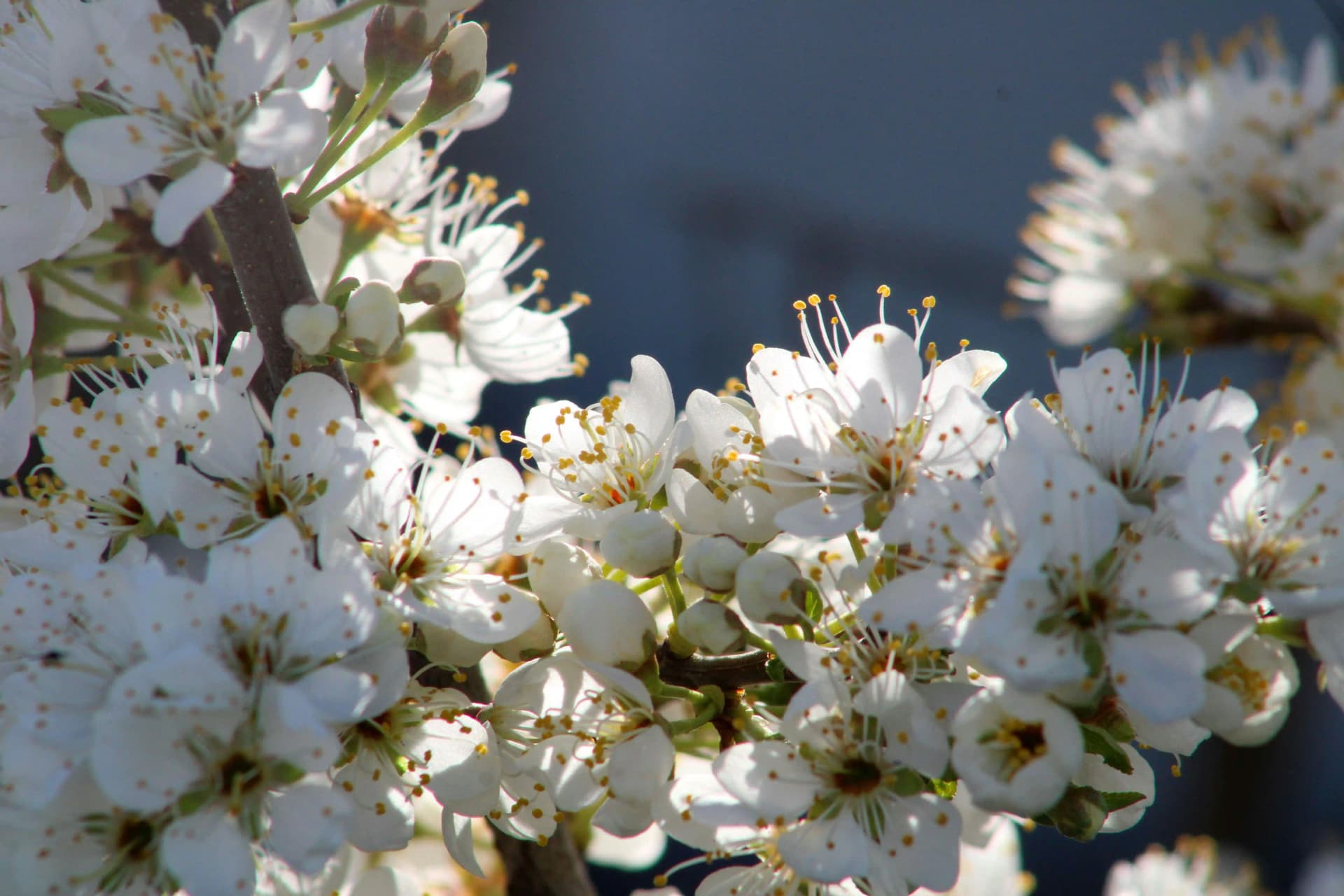
Kairakuen Garden
One of Japan's three great gardens, Kairakuen is a must-see, particularly during the plum blossom season in early spring when over 3,000 plum trees bloom in vibrant colors. The garden, designed by the Mito clan’s 9th lord, is filled with historical features, such as an old tea house and a small, peaceful lake. Visitors can also enjoy breathtaking views of the nearby Mito city skyline. The serene atmosphere makes it a perfect spot for a leisurely stroll or picnic.
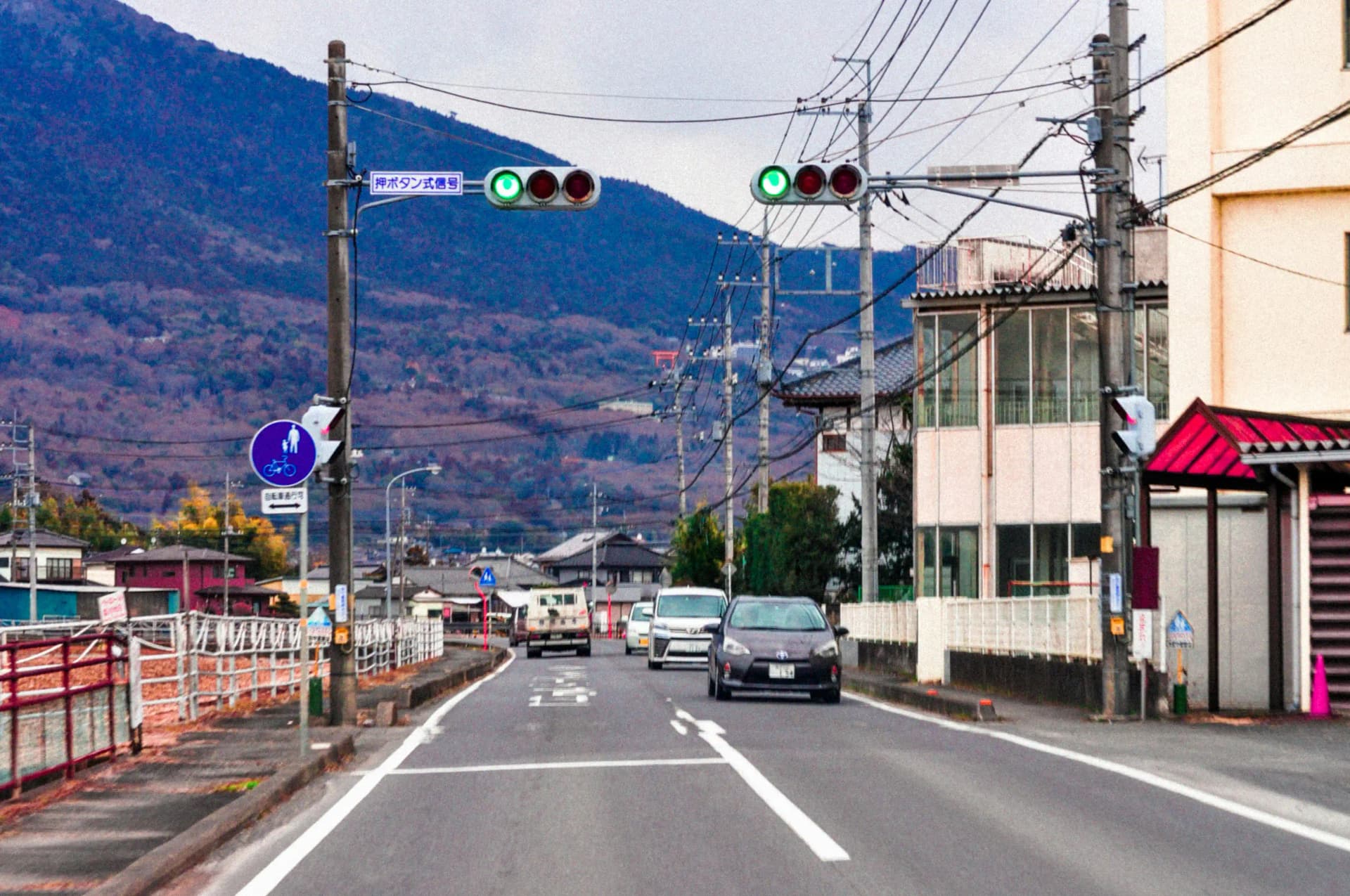
Mount Tsukuba
Known for its two peaks—Nyotai-san (female) and Nantai-san (male)—Mount Tsukuba is steeped in legend and religious significance. It’s a popular spot for hikers, offering trails of varying difficulty levels. For those who prefer a more relaxed visit, a cable car and ropeway are available, providing spectacular views of the surrounding countryside. Tsukuba is also home to several ancient shrines and temples, making it a spiritual destination in addition to a natural wonder.