



• Clock Blue Light24/7 Customer Support
  • Mail Blue Lightcontact@tweetjapandmc.jp
  • Facebook
  • Instagram
  • Linkedin
  • Youtube
Tweet Japan DMC_Logo_Black
  • Our Services
    Your Trusted Partner for Japan Travel

    We offer a comprehensive range of travel services, catering to corporate clients, groups, VIP travelers, and independent adventurers seeking immersive experiences in Japan.

    • MICE
    • Group Tours
    • Tailor-made Holidays
    • Corporate Travel
    • VIP & Luxury Travel
    • Transportation
    • Japan Rail Pass (JR Pass)
    • Seat-in-coach day tour
    • School Educational Tours
    • Golf Vacations
  • Destinations
    Explore Japan’s Best Destinations

    From iconic landmarks to hidden gems, experience Japan’s diverse beauty with us.

    • Tokyo
    • Kyoto
    • Hiroshima
    • Osaka
    • Nara
    • Hakone
    • Mount Fuji & Fuji Five Lakes
    • Hokkaido
    • Hakuba
    • Okinawa
    • Kanazawa
    • Takayama
    • Nikko
    • Ise
    • Ibaraki
    • Nagasaki
  • Packages
    Exclusive Japan Travel Packages

    Custom-designed packages for every traveler, ensuring unforgettable experiences in Japan.

    • Independent Tours
    • Ski Packages
    • Self Guided Tours
    • Hot Springs & Wellness Retreat
    • Golf Packages
  • Transfers
    Reliable Transfers Across Japan

    Seamless and comfortable transfers for every journey in Japan.

    • Airport Transfers
    • Private Cars
    • Luxury Vehicles
    • Group Transport
  • Day Tours
    Day Tours across Japan

    At Tweet Japan DMC, we offer premium SIC day tours with small groups of 6 to 24 passengers, ensuring a comfortable and personalized experience.

    • Tokyo & surrounding areas
    • Kyoto & surrounding areas
    • Osaka & surrounding areas
  • Group Tours
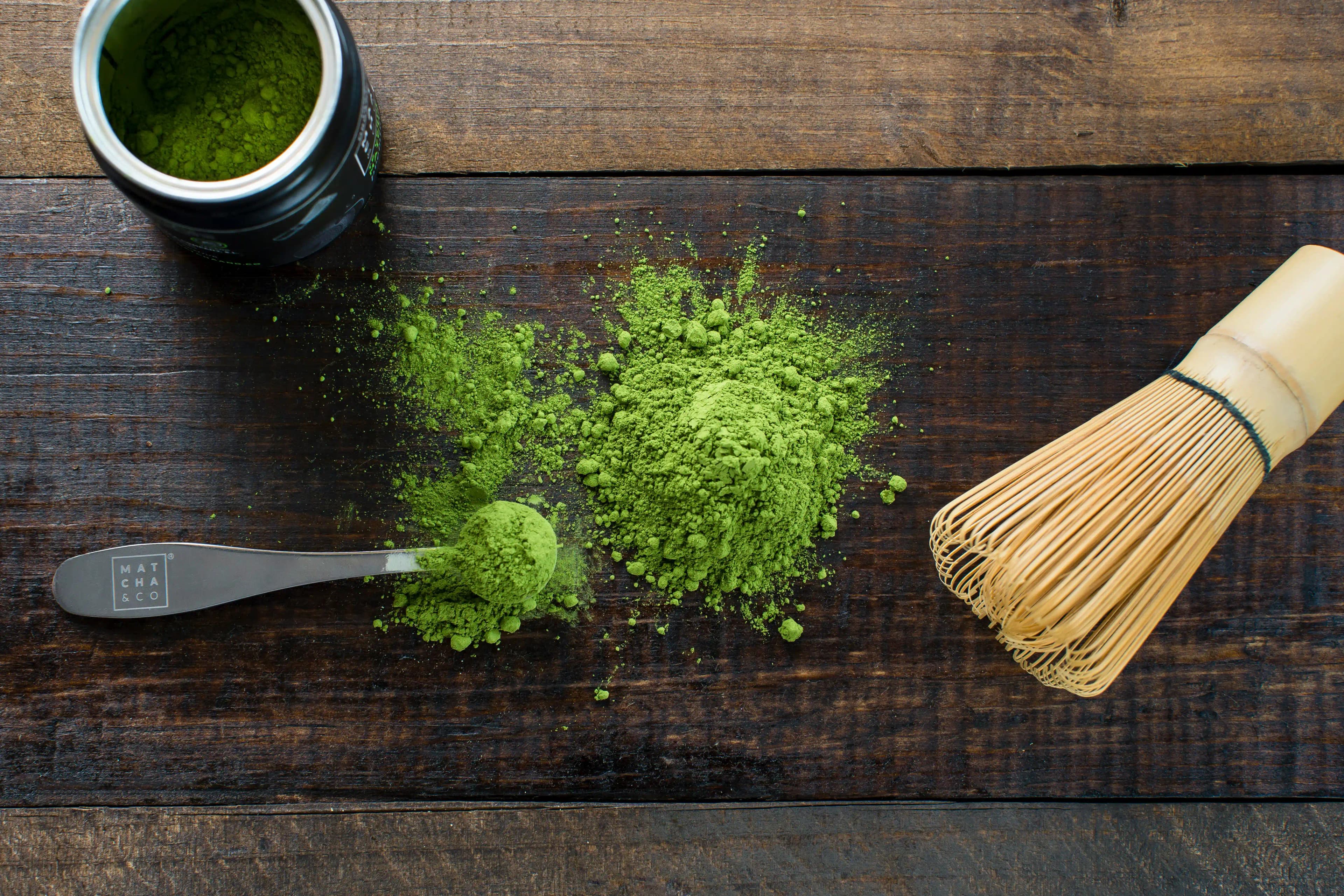
Matcha powder and equipment

Explore The Traditional Japanese Tea Ceremony

The Japanese Tea Ceremony (茶道, Sadō or Chado) is an art form, a philosophy, and a path to mindfulness. Rooted in Zen Buddhism, this ritual embodies four key principles: harmony (和, wa), respect (敬, kei), purity (清, sei), and tranquility (寂, jaku). Every movement, from preparing the matcha to presenting the tea bowl, carries deep meaning. This centuries-old practice is not about rushing but about slowing down. It teaches us to appreciate the moment, the surroundings, and the people we share it with. Whether performed in a traditional tea room or a modern setting, the ceremony fosters a sense of connection to nature, to others, and to oneself.

Join us as we explore the origins, evolution, and cultural significance of this revered Japanese tradition.
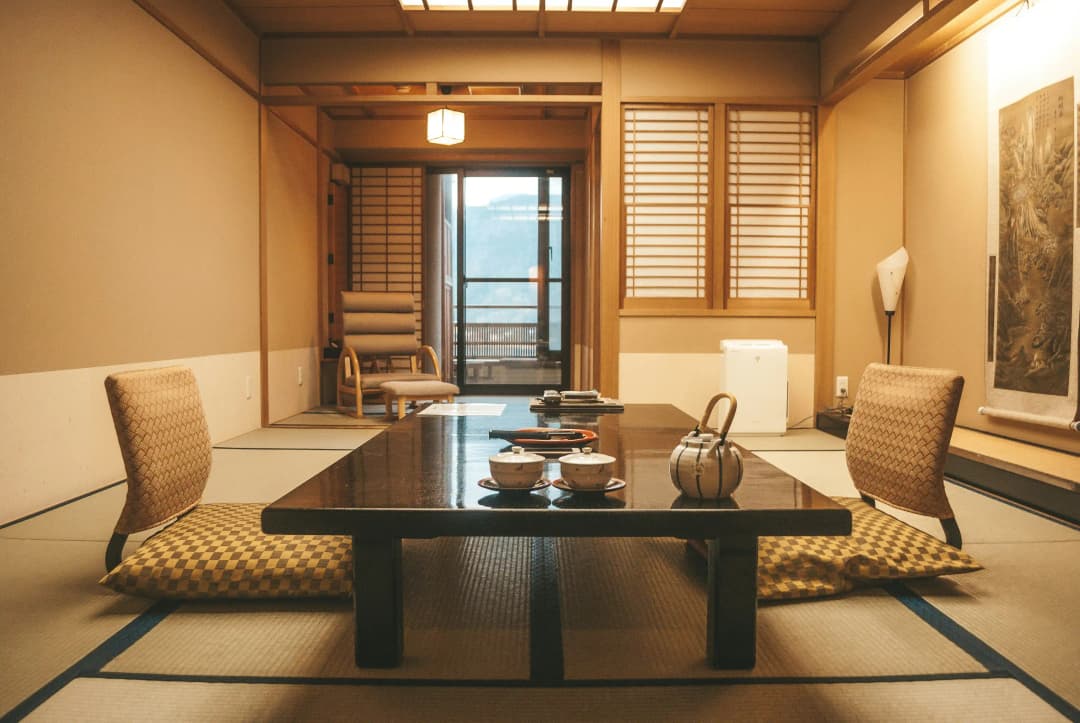
traditional tea house

Articles for you

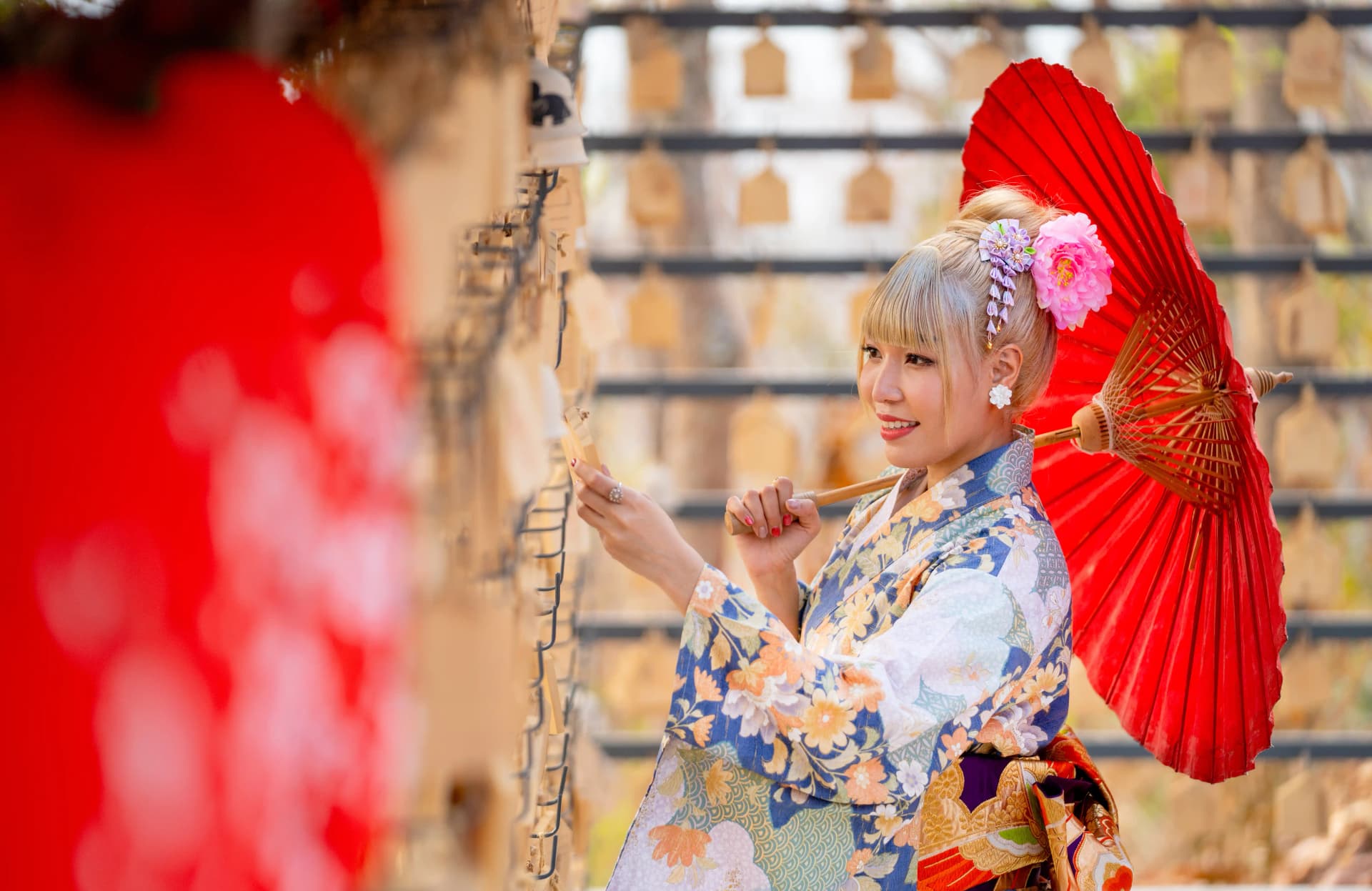
Women wearing Japanese Kimono

6 Unique Festivals In Japan First-Time Travelers Should Not Miss

Japan is one of the most interesting tourist destinations around the world where cutting-edge technology intertwines with ancient traditions. Its traditions are brought to life through vibrant festivals (matsuri) and cultural local celebrations. From the thrilling clashes of danjiri floats to the graceful rituals of rice planting, each festival tells a unique story, offering visitors chances to witness and even participate in centuries-old customs.

Be mesmerized by the beauty of illuminated celebrations and sacred connection to Japan’s ancient roots with these top 6 unique festivals first-time travelers should not miss.
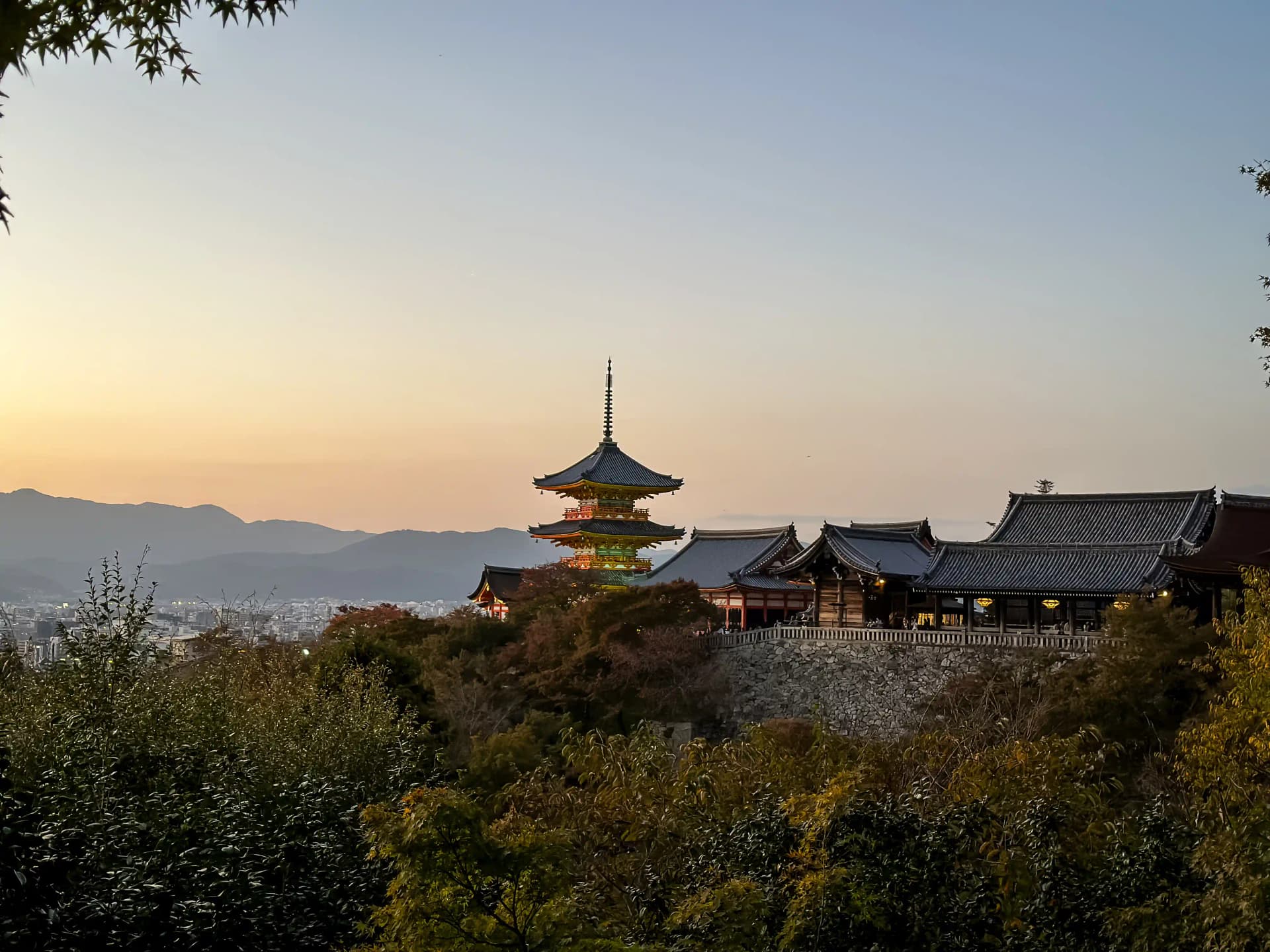
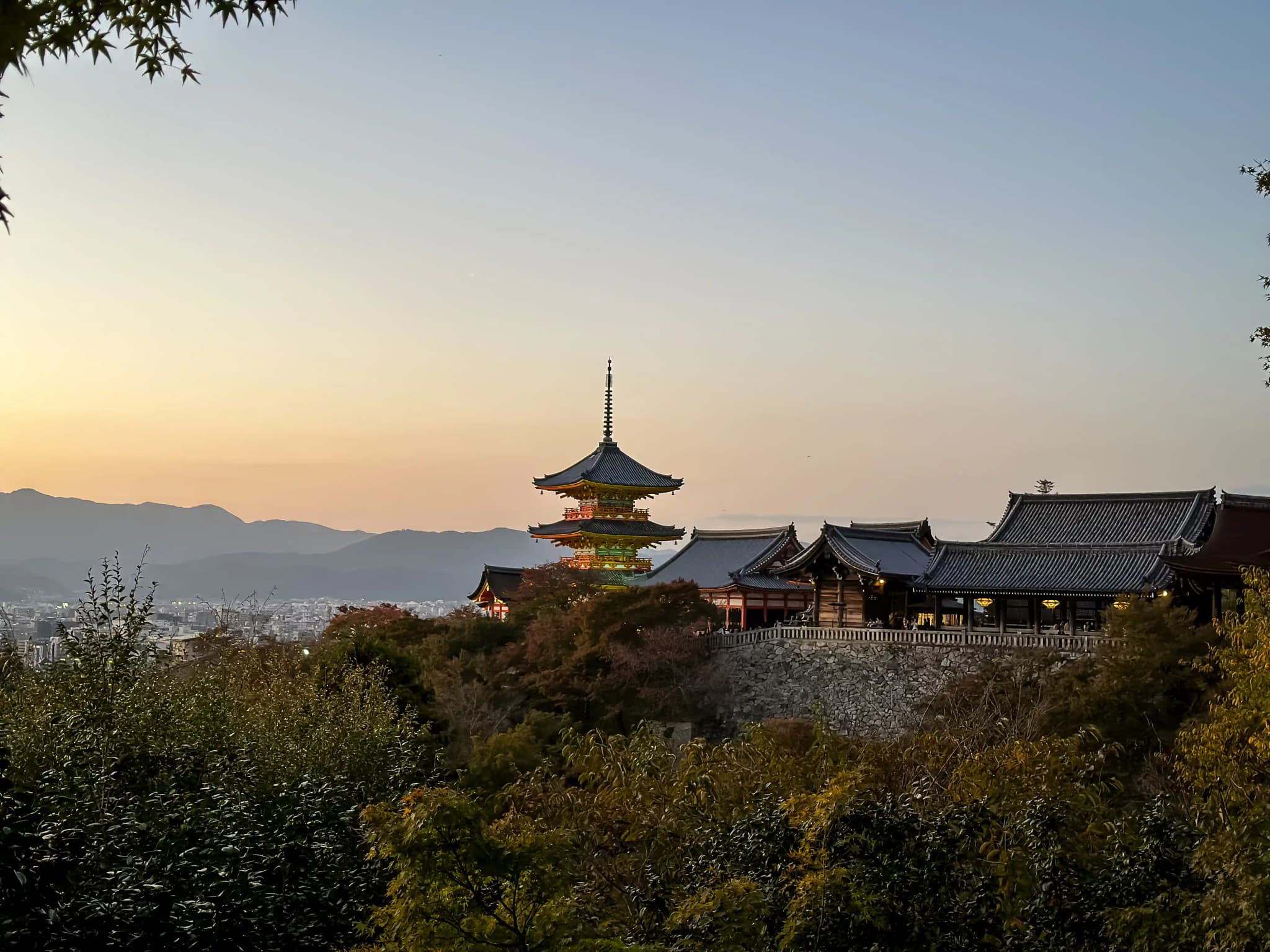
sunset over Sanjunoto Pagoda and Kiyomizu Dera temple

Discover The Top 4 Hidden Gem Temples in Kyoto

When travelers think of Kyoto, iconic temples like Kinkaku-ji (Golden Pavilion) and Fushimi Inari Taisha often come to mind. But beyond these famous landmarks lies a world of hidden sanctuaries, where history, nature, and Zen philosophy blend seamlessly. These lesser-known temples offer peaceful retreats away from the tourist crowds, each with its own unique charm, architectural wonders, and seasonal beauty.

From the mesmerizing Karesansui rock gardens of Komyo-in to the bamboo-surrounded serenity of Jizo-in, these temples provide a glimpse into Kyoto’s authentic spiritual heritage. Whether you're drawn to vibrant autumn foliage, historical treasures, or the quiet elegance of traditional Japanese gardens, this guide will take you on a journey to six of Kyoto’s most breathtaking hidden gem temples.
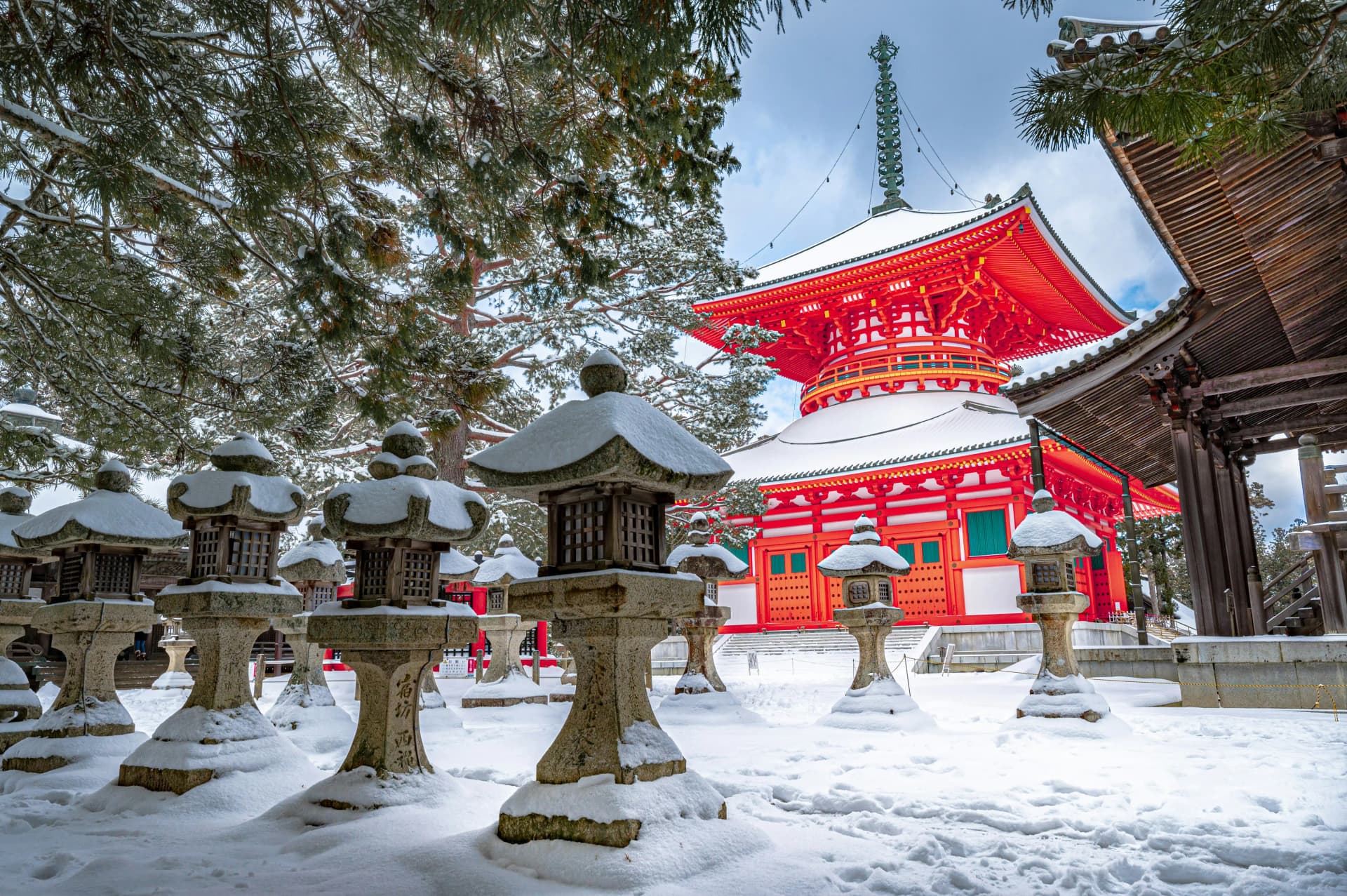
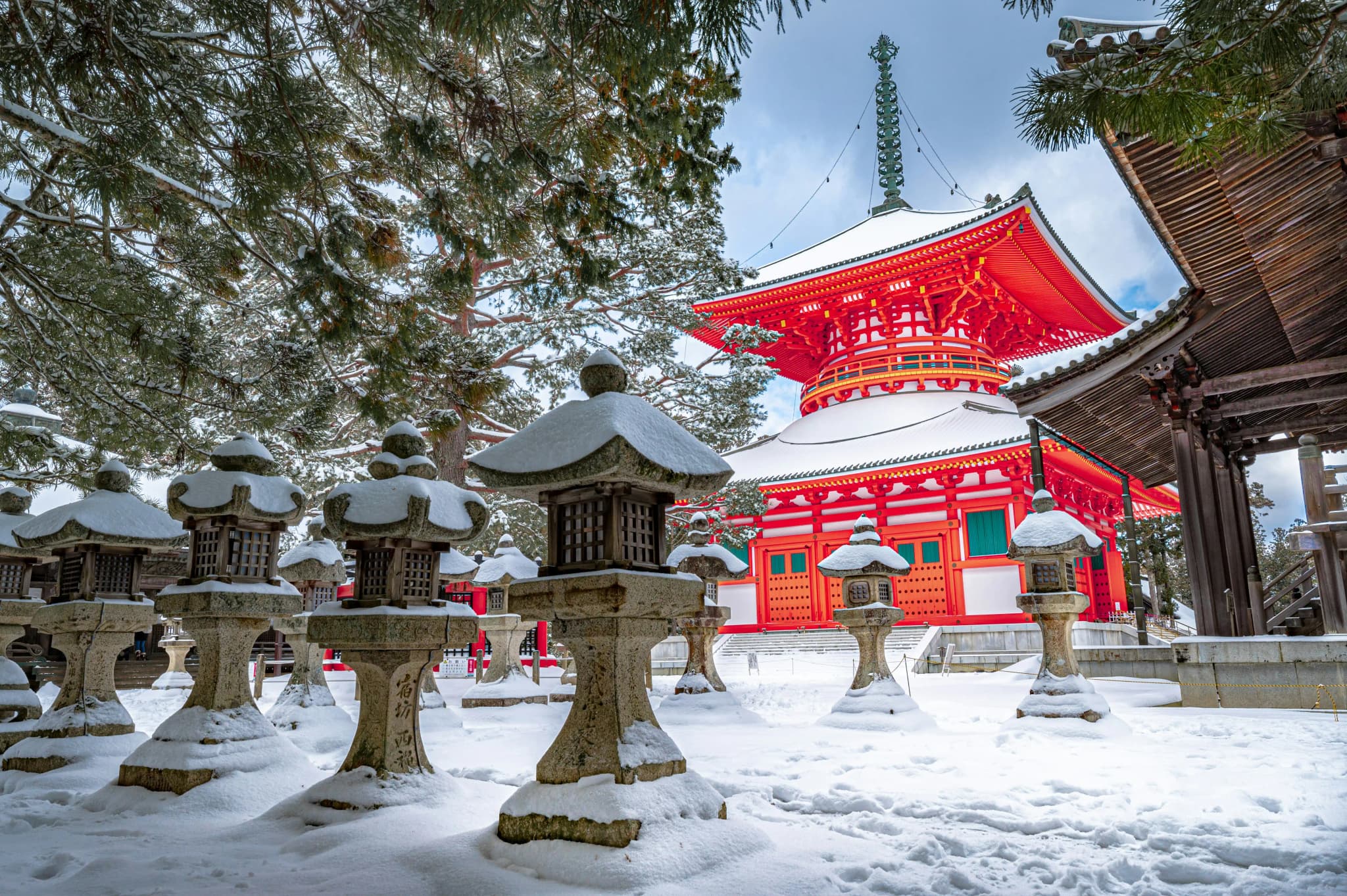
Winter In Mount Koya

Off-Season Travel in Japan: 4 Must-Visit Destinations

Japan is a country of ever-changing landscapes, rich traditions, and stunning natural beauty and most travelers only experience it during cherry blossom season or peak winter months. What if you could uncover a different side of Japan, one that offers fewer crowds, better prices, and equally breathtaking experiences?

Explore Japan off-season and discover hidden gems, vibrant local festivals, and landscapes transformed by the seasons. Pack your back and travel through four must-visit regions in Japan and the best experiences to enjoy when the crowds have thinned.
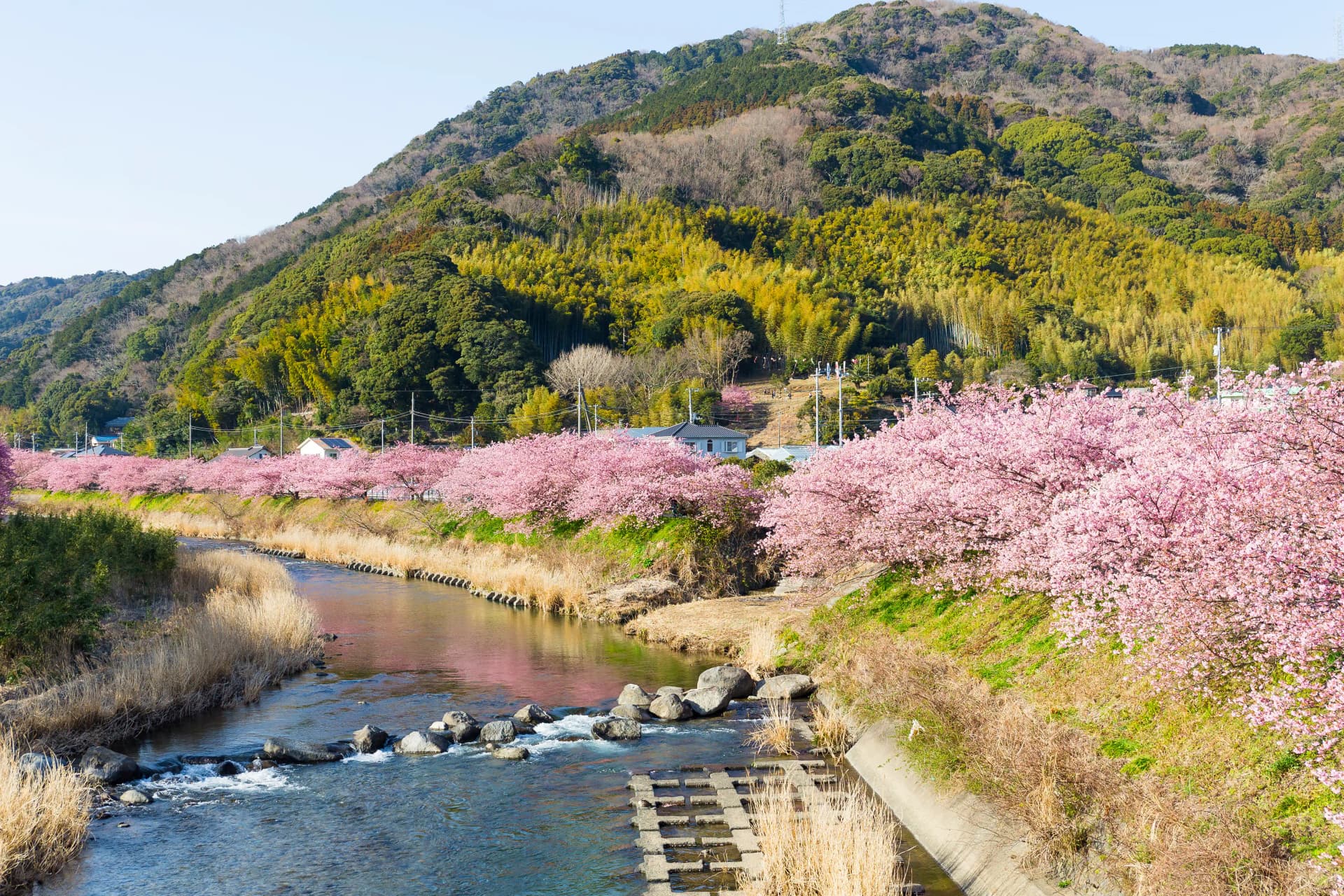
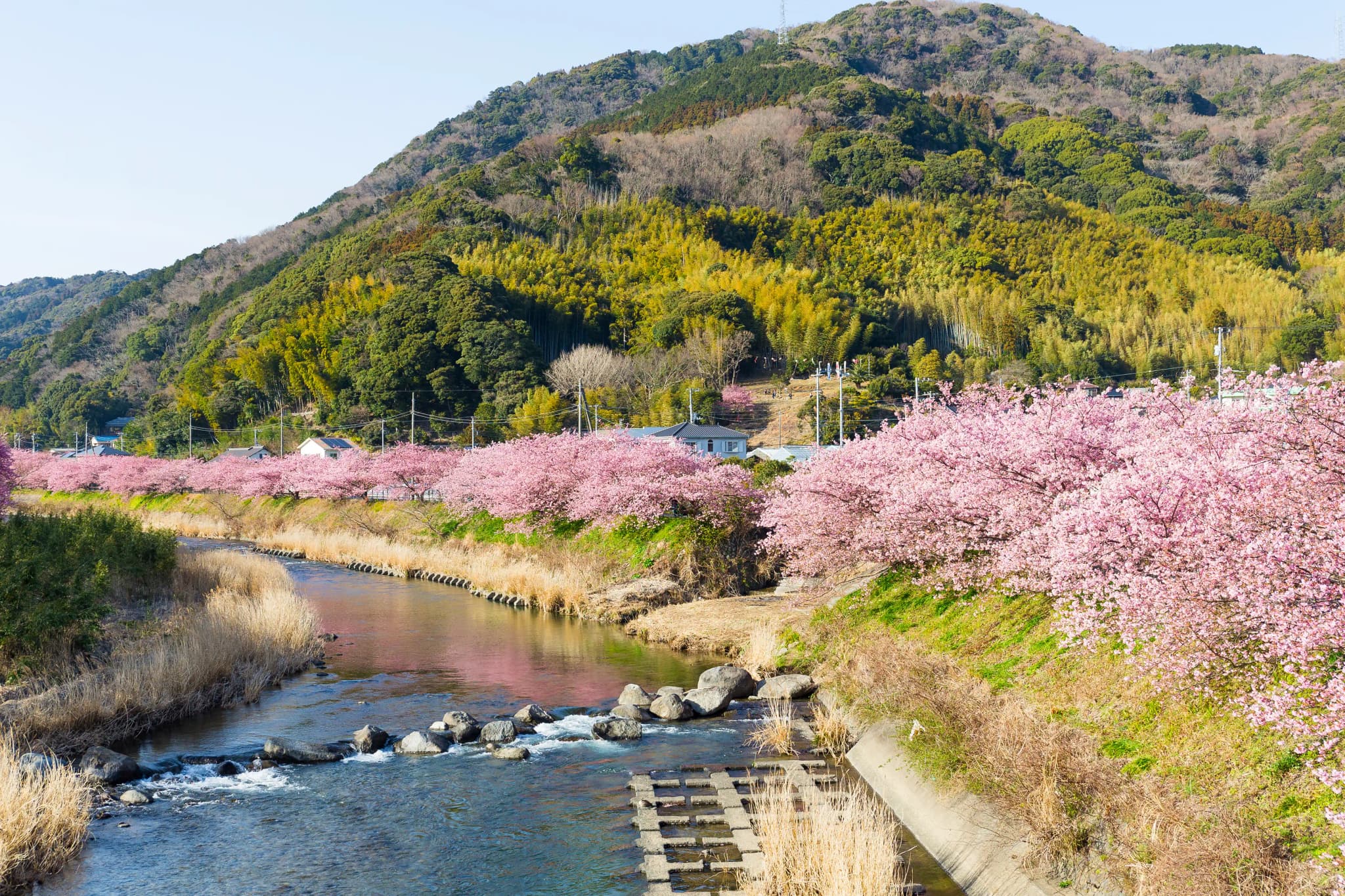
Sakura in Tohoku, Japan

Explore 4 Unique Cultural Experiences in Yamagata, Tohoku Region

Tucked away in Japan’s Tohoku region, Yamagata Prefecture offers a treasure trove of cultural experiences that blend history, craftsmanship, spirituality, and vibrant nightlife. From centuries-old artisanal techniques to mountain temples steeped in legend, every corner of Yamagata invites visitors to immerse themselves in authentic Japanese traditions.

Let’s travel to Yagamata Prefecture and discover the top 4 unique cultural experiences in this place. Each of these tells a story of heritage, innovation, and community, making Yamagata a destination unlike any other.
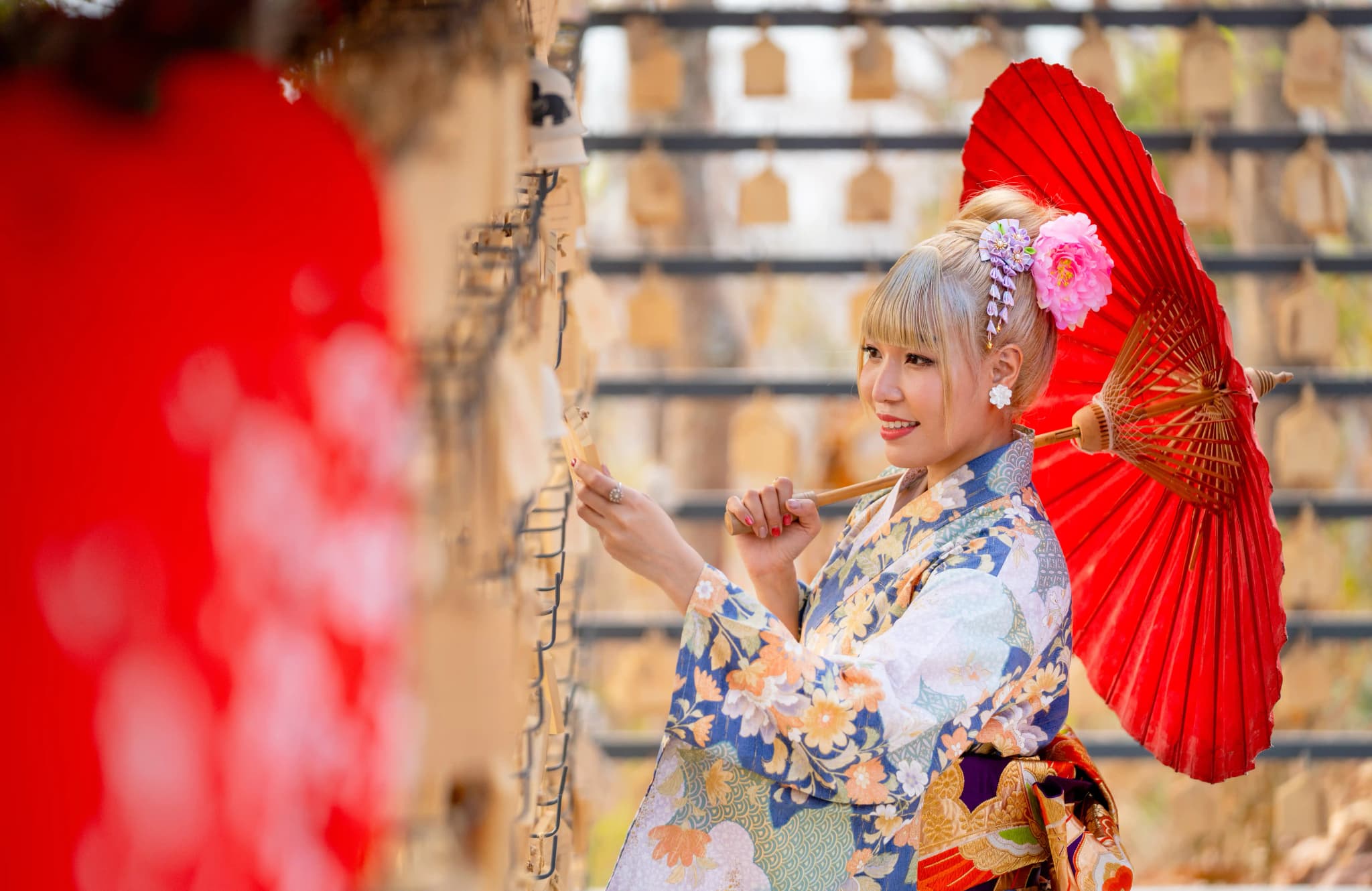
Women wearing Japanese Kimono

6 Unique Festivals In Japan First-Time Travelers Should Not Miss

Japan is one of the most interesting tourist destinations around the world where cutting-edge technology intertwines with ancient traditions. Its traditions are brought to life through vibrant festivals (matsuri) and cultural local celebrations. From the thrilling clashes of danjiri floats to the graceful rituals of rice planting, each festival tells a unique story, offering visitors chances to witness and even participate in centuries-old customs.

Be mesmerized by the beauty of illuminated celebrations and sacred connection to Japan’s ancient roots with these top 6 unique festivals first-time travelers should not miss.

sunset over Sanjunoto Pagoda and Kiyomizu Dera temple

Discover The Top 4 Hidden Gem Temples in Kyoto

When travelers think of Kyoto, iconic temples like Kinkaku-ji (Golden Pavilion) and Fushimi Inari Taisha often come to mind. But beyond these famous landmarks lies a world of hidden sanctuaries, where history, nature, and Zen philosophy blend seamlessly. These lesser-known temples offer peaceful retreats away from the tourist crowds, each with its own unique charm, architectural wonders, and seasonal beauty.

From the mesmerizing Karesansui rock gardens of Komyo-in to the bamboo-surrounded serenity of Jizo-in, these temples provide a glimpse into Kyoto’s authentic spiritual heritage. Whether you're drawn to vibrant autumn foliage, historical treasures, or the quiet elegance of traditional Japanese gardens, this guide will take you on a journey to six of Kyoto’s most breathtaking hidden gem temples.

Winter In Mount Koya

Off-Season Travel in Japan: 4 Must-Visit Destinations

Japan is a country of ever-changing landscapes, rich traditions, and stunning natural beauty and most travelers only experience it during cherry blossom season or peak winter months. What if you could uncover a different side of Japan, one that offers fewer crowds, better prices, and equally breathtaking experiences?

Explore Japan off-season and discover hidden gems, vibrant local festivals, and landscapes transformed by the seasons. Pack your back and travel through four must-visit regions in Japan and the best experiences to enjoy when the crowds have thinned.

Sakura in Tohoku, Japan

Explore 4 Unique Cultural Experiences in Yamagata, Tohoku Region

Tucked away in Japan’s Tohoku region, Yamagata Prefecture offers a treasure trove of cultural experiences that blend history, craftsmanship, spirituality, and vibrant nightlife. From centuries-old artisanal techniques to mountain temples steeped in legend, every corner of Yamagata invites visitors to immerse themselves in authentic Japanese traditions.

Let’s travel to Yagamata Prefecture and discover the top 4 unique cultural experiences in this place. Each of these tells a story of heritage, innovation, and community, making Yamagata a destination unlike any other.
Related Product

Tweet Japan DMC Logo

SUBSCRIBE TO OUR NEWSLETTER

Tweet Japan DMC

contact@tweetjapandmc.jp
reservations@tweetjapandmc.jp

Headquarter In Japan

  • 1-23-1 Nishi-Kawaguchi
  • Kawaguchi City, Saitama
  • 332-0021, Japan

Australia Office

  • Tweet World Travel
  • 544 Magill Road, Magill
  • SA 5072, Australia

Your all-in-one travel app

  • Apple Store
    Download on theApple Store
  • Google Play
    Get it onGoogle Play
  • Company

    • About Us
    • Blogs
    • Press
    • FAQs
  • Support

    • Contact Us
    • Privacy Policy
    • Terms and Conditions
    • Cookies Policy
    • Travel Agents
    • Ask for Brochure
  • Our Services

    • MICE
    • Group Tours
    • Tailor-made Holidays
    • Corporate Travel
    • VIP & Luxury Travel
    • Transportation
    • JR Pass
    • Seat-in-coach day tour
    • School Educational Tours
    • Golf Vacations

Follow us on social media

  • Facebook
  • X
  • Instargram
  • Linkedin
  • Wechat
  • Zalo
  • Line
  • Youtube
© Copyright 2025 - Powered by TKG Platform Technology

We accept

  • Lock White
  • Amex
  • Visa
  • Paypal
  • Mastercard

Table of Contents

Origins of the Japanese Tea Ceremony

Arrival in Japan

Tea first arrived in Japan in the 9th century, brought by Buddhist monks returning from China. Among them, Eisai (栄西), a Zen master, introduced tea drinking as part of meditative practice, emphasizing its ability to enhance focus and spiritual clarity. During the 12th century, tea drinking spread among Japan’s elite—imperial courtiers and samurai alike. 

Sen no Rikyū, the most influential figure in the history of the Japanese Tea Ceremony in the 16th century, refined wabi-cha, solidifying the core philosophy of Sadō. Under his guidance, tea rooms became small and minimalist, emphasizing natural materials and a profound respect for each element involved. Rikyū’s teachings shaped the practice into a spiritual and artistic experience, influencing not just tea culture but also Japanese architecture, calligraphy, flower arrangement (ikebana), and Zen philosophy.

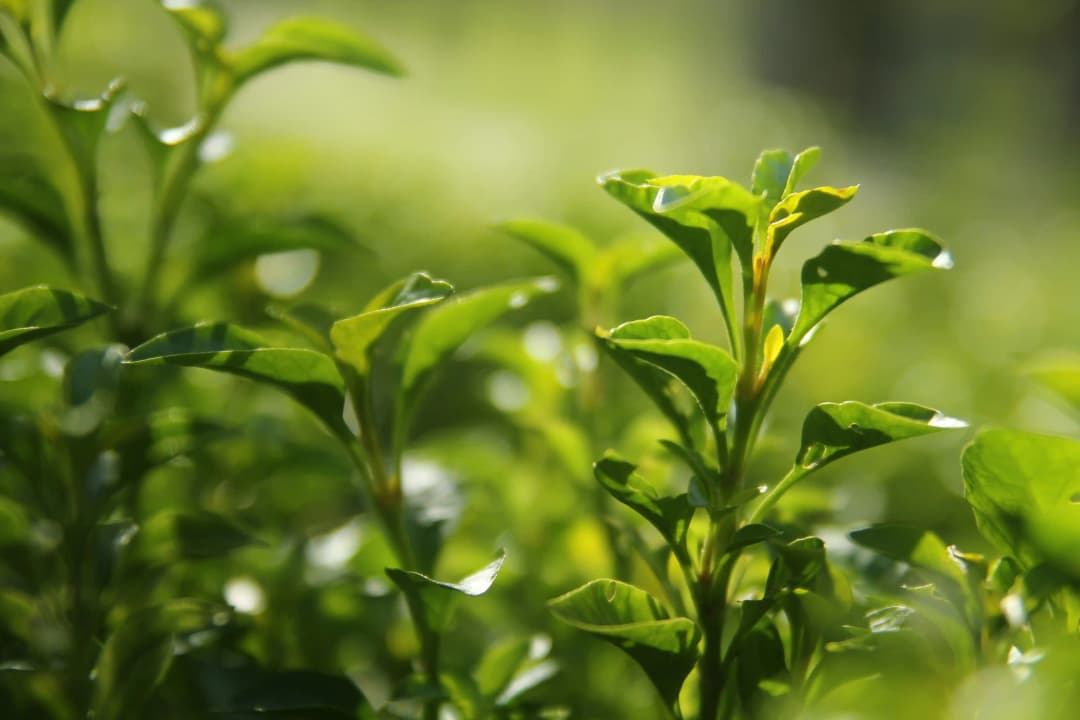
Green tea leaves
Green tea leaves

From Samurai Tradition to Global Influence

After Rikyū’s time, tea ceremony schools such as Urasenke, Omotesenke, and Mushakouji-senke emerged, each preserving and refining different aspects of the ritual. The practice continued as a way for samurai to cultivate discipline and mindfulness and later became a cherished cultural tradition for all.

Today, the Japanese Tea Ceremony extends beyond Japan. It captivates people worldwide who seek a deeper connection to mindfulness, Zen principles, and Japanese aesthetics. Whether experienced in a traditional teahouse or adapted for modern lifestyles, its essence remains unchanged—a moment of peace, respect, and quiet reflection in a fast-paced world.

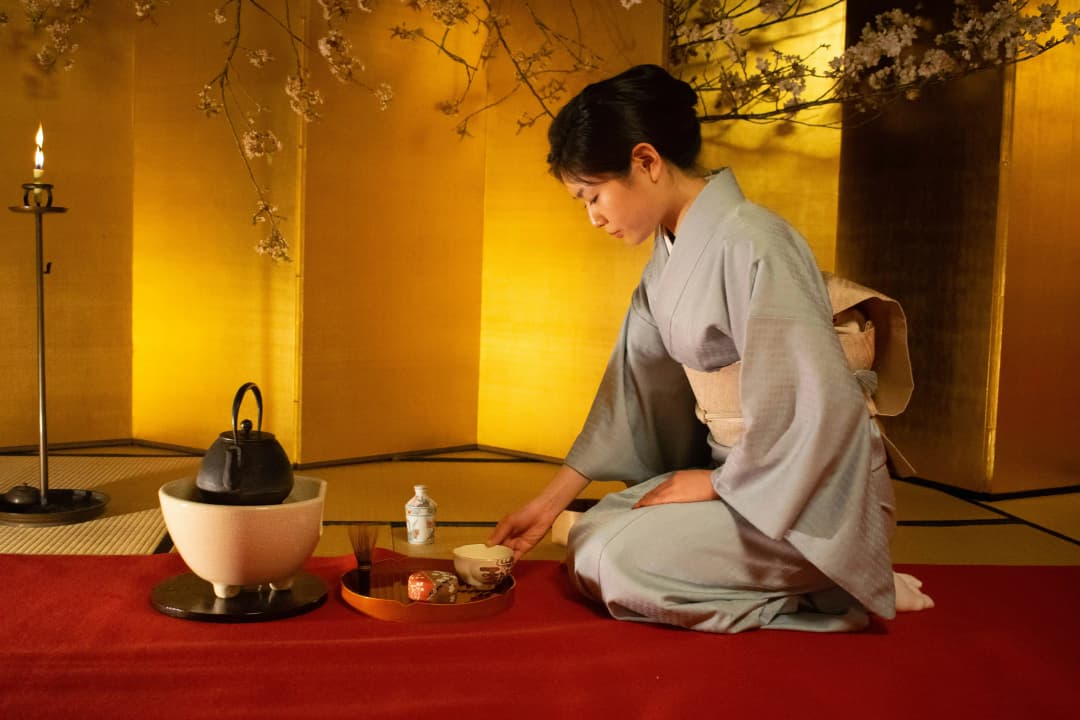
Japanese Tea Ceremony

The Principles of Japanese Tea Ceremony

The Japanese Tea Ceremony is beyond a way of enjoying tea but a philosophy of living, guided by four essential principles.

  • Harmony (和, Wa): Harmony is at the heart of the tea ceremony. The host selects seasonal decorations and tea bowls that reflect the natural world, fostering a sense of balance. Guests and hosts move in sync, acknowledging each other with silent bows and measured movements. The atmosphere is free of hierarchy, emphasizing shared experience over social status.
  • Respect (敬, Kei): Respect is not just about politeness but a deep awareness of interconnection, acknowledging the effort behind every element of the experience. It manifests in mindful actions, such as handling tea bowls with both hands and carefully observing tea-making techniques. Bowing to the host, fellow guests, and even the utensils after the ceremony to recognize their role in the ritual.
  • Purity (清, Sei): Before entering the tea room, guests purify their hands and mouths at a stone water basin. Inside, the host meticulously cleans each utensil, reinforcing order and mindfulness. The ritual encourages participants to let go of distractions, cultivating a present, focused state of mind. Every action is done with intention and clarity.
  • Tranquility (寂, Jaku): Tranquility is the ultimate goal of Sadō. It is a state of deep calm, achieved through the rhythmic flow of the ceremony. The silence, the soft clinking of utensils, and the earthy aroma of matcha—all guide participants into a meditative presence.
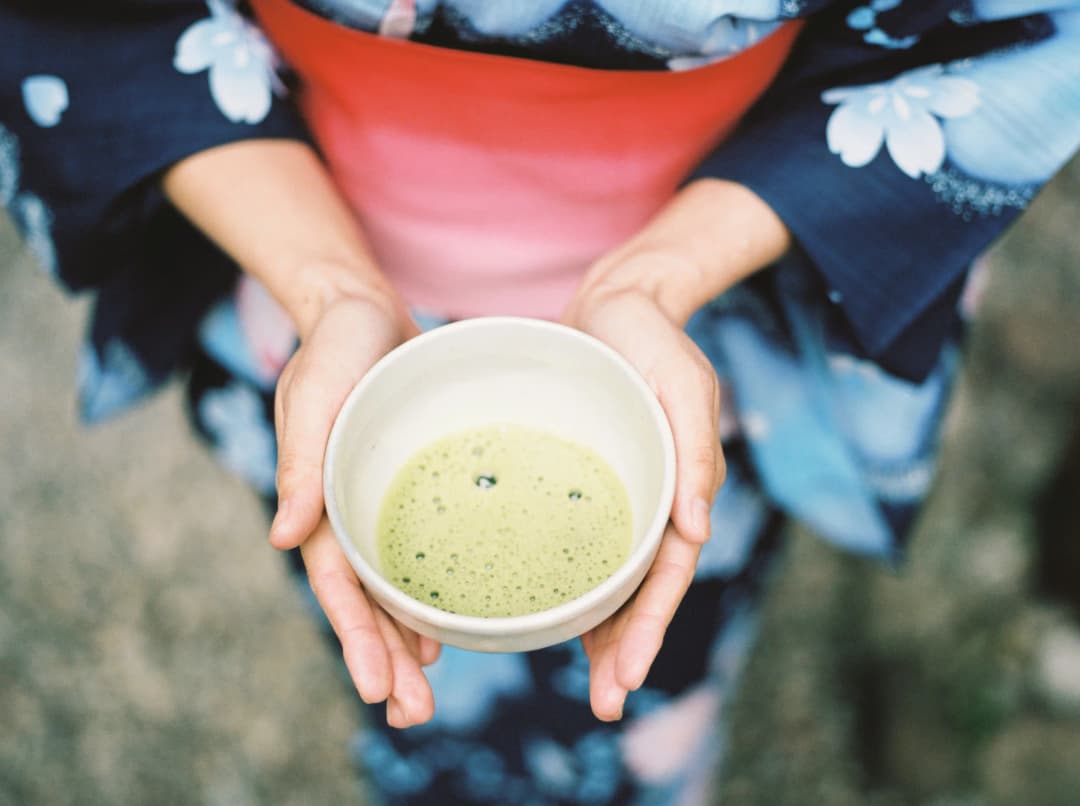
A cup of fresh matcha

The Japanese Tea Ceremony Process

The Japanese Tea Ceremony is a carefully choreographed experience. Each step carries meaning, reinforcing mindfulness, respect, and harmony. While there are different styles, the most traditional form is the formal tea gathering (茶事, chaji), lasting around four hours. A shorter, more casual version, called chakai (茶会), is also common.

  • The Invitation and Preparation: The host spends weeks preparing, selecting seasonal tea utensils, arranging the tea room, and crafting a harmonious experience. Guests receive a handwritten invitation, emphasizing the thoughtfulness behind the gathering. Upon arrival, guests cleanse their hands and mouths at a water basin before entering.
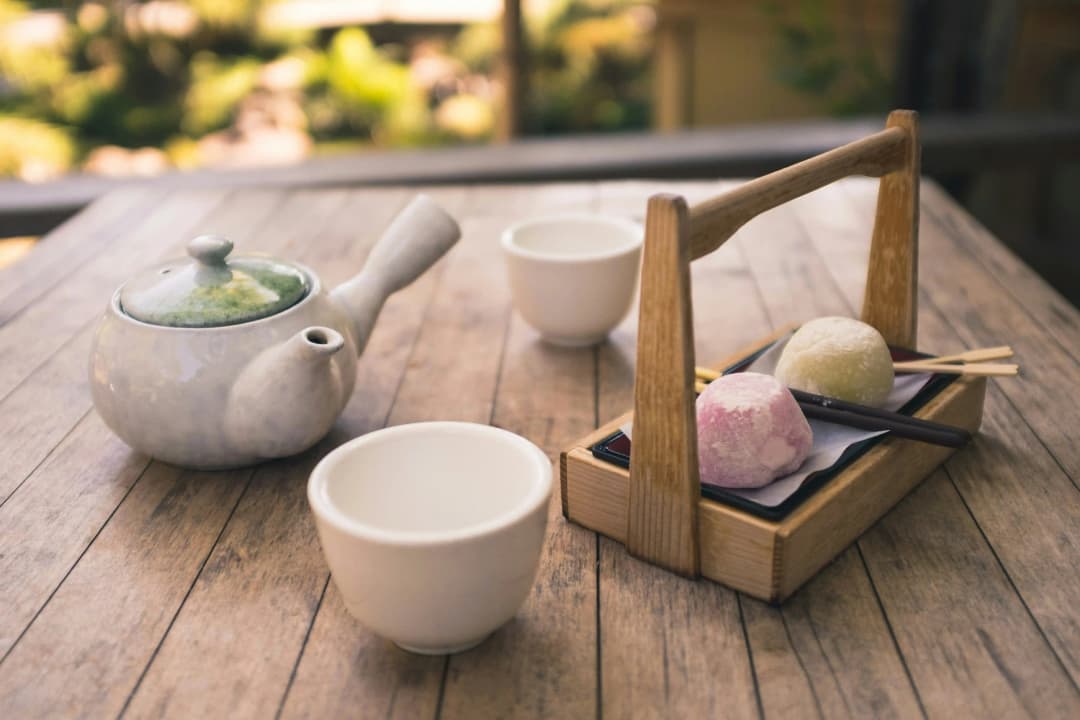
  • Kaiseki Meal and Sweets: For a formal chaji, the ceremony begins with a kaiseki meal—a light, seasonal meal designed to prepare the palate. This is followed by wagashi, a traditional Japanese sweets, which balance the bitterness of matcha.
  • Preparing the Charcoal (Sumidemae): The host carefully arranges charcoal in the hearth or portable brazier, heating the water in an iron kettle. This step sets the rhythm of the ceremony, encouraging guests to settle into the stillness of the moment.
  • Serving the Thick Tea: Koicha, or thick tea, is the highlight of the gathering. The host uses a tea scoop to measure finely ground matcha into a handcrafted tea bowl. With slow, deliberate movements, the tea is whisked into a rich, velvety consistency.
  • Serving the Thin Tea: Next, the host prepares usucha, or thin tea, which has a lighter, frothy texture. Each guest receives their own bowl, drinking at their own pace. This phase feels more relaxed, fostering conversation and quiet reflection.
  • The Closing Ritual: Once the tea is finished, the host cleans the utensils with precise, graceful movements, reinforcing purity. Guests then examine the tea bowl, admiring its design and craftsmanship. Before leaving, guests express their gratitude, bowing deeply to the host. The host bows in return, marking the end of the gathering.
Japanese tea ceremony goes with wagashi (traditional Japanese sweets)

Conclusion

Beyond its ritualistic beauty, the tea ceremony offers a profound life lesson: the importance of being present, appreciating simplicity, and cultivating grace in everyday actions. Whether experienced in a traditional tatami-mat tea room or a modern adaptation, its essence remains unchanged—a moment of peace in a fast-moving world.